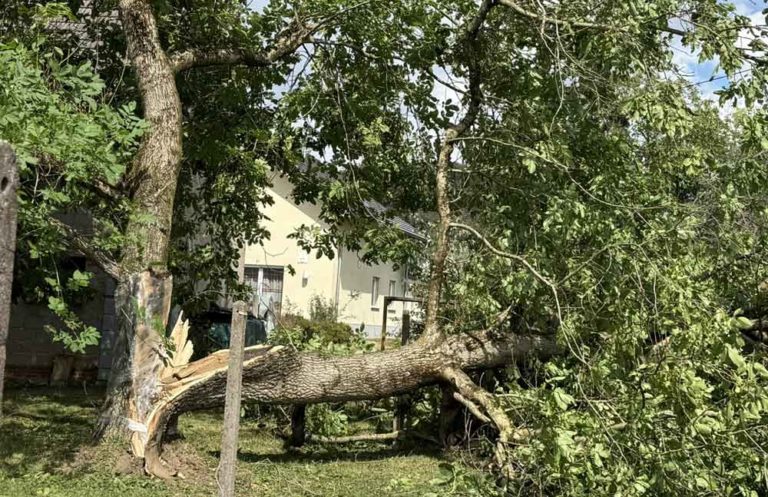

Summer Limb Drop – The Invisible Threat

Von
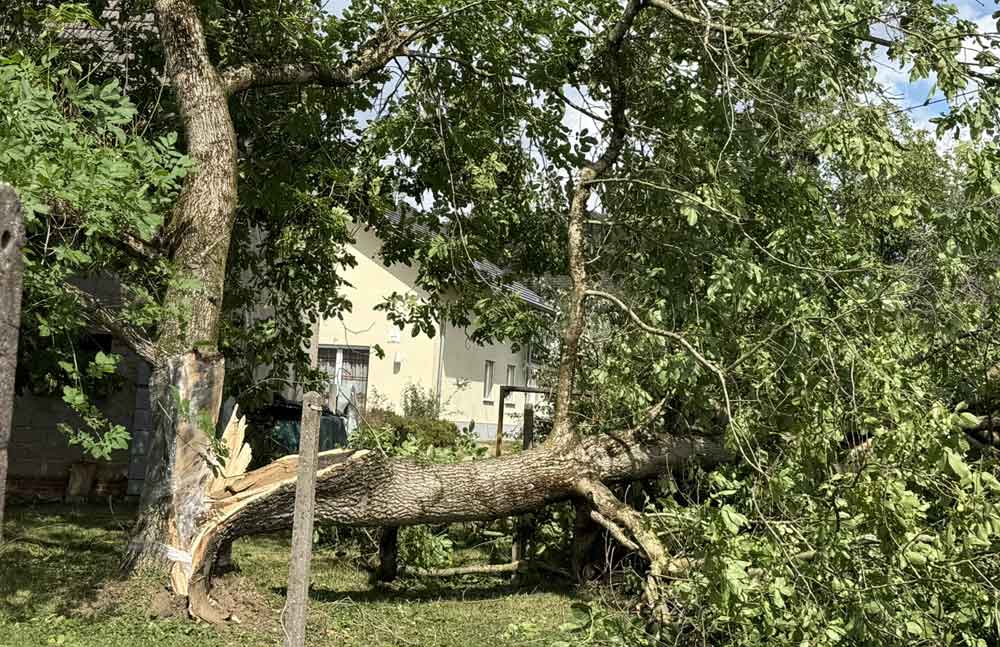
We will remember this summer for a long time to come. As early as mid-June, temperatures in some areas rose above 40 degrees Celsius. The German Weather Service reports that, since records began, there has never been “such a long and intense heat wave so early in the summer.” Nights remained tropical, with temperatures near 30 degrees Celsius, offering no respite.
Older and sick people, in particular, suffered from the heat. Emergency rooms and emergency medical services were overwhelmed. But nature, too, cannot withstand such extremes indefinitely.
In mid-August, towns had to be evacuated due to forest and wildfires. The fire in the Hohes Venn spanned an area of 3,400 hectares. That’s roughly three-quarters of the total area of the Siebengebirge Nature Reserve, which we know right here on our doorstep. The smoldering fires in the peat soil produced so much smoke over several days that the fire department’s emergency hotlines in our region were temporarily overwhelmed, as many residents called to report the smell of smoke. Even here at our main office in Vettelschoß, the smell lingered in the air for many days.
The fires have been extinguished, and the heat wave is behind us.
However, the danger has not been averted; it is simply less obvious.
If a heat wave lasts for several days, it can cause lasting damage to trees. In humans, this would likely be described as circulatory collapse — in trees, it is the transport of nutrients from the root hairs up to the crown that is disrupted. This is because, at high temperatures, the transport of fluids through the capillary system — from the root system up through the trunk to the branches of the crown — no longer functions properly.
To ensure its survival, the tree cuts off the supply to individual branches in the crown. What makes sense for the tree’s survival poses a significant danger to its surroundings—whether a house, garden, or public space. This is because a layperson can hardly tell whether the tree in their own garden is still safe.
Premature discoloration of leaves can be a sign, but often even massive branches break off from the crown—branches that still appear perfectly healthy to the layperson. Experts call this phenomenon “summer limb drop.”
In my more than three decades of experience as a professional arborist, I cannot recall a season like this one. Never before have we dealt with branches destroyed by summer limb drop and cracked trunks as frequently as we have in recent weeks. Both my sons and I have several appointments a day due to branches breaking off as a result of summer limb drop.
It’s not just the falling of massive, heavy branches that poses a danger to the surrounding area. The cracks in the trunk are dangerous for the tree itself; if left untreated, they can become a gateway for diseases, fungi, parasites, and pests. With careful and stress-relieving pruning, we ensure—if the worst happens—that the cracks can heal and the tree can regain its natural balance.
Don’t let it get that far. The danger is real—for people, buildings, passersby, and public transportation alike. An insurance company may deny claims if tree owners have failed to fulfill their duty of care by not conducting regular and professional tree inspections. That’s why you should have your trees inspected by our experts. Our experts’ trained eyes can identify the symptoms that indicate a weakened tree and the risk of summer limb drop. Schedule an appointment with our office today for a free on-site inspection. The fall storms are already just around the corner. Make sure your trees are safe now. We’d be happy to assist you with our experience and free advice.
Filter
Blog Archiv






Leave a Reply